Oldest Car Club in Missouri
We love bringing these fine automobiles back to life and we are excited to share our passion with you!
We Are Proud to Announce Our Annual Easter Concours Show on March 31, 2024. Click here for Details!.
Welcome To The Horseless Carriage Club of Missouri
We are a St. Louis based Car Club that has an active membership in excess of 150+ members and growing. We were founded in 1944, we are one of the oldest surviving car clubs in the world. Most likely we are best known for our annual Easter Concours d’ Elegance held in Forest Park. We hold monthly meetings usually on the 3rd Friday of the month at 7:00pm.
We are a very active club with various organized events, swap meets, parades, car shows and unlimited restoration resources. Membership is only $25.00 per year; come visit and consider joining us.
Letter From the President
Welcome to the HCCM website and the world of car appreciation. At least that’s the way I see it. I appreciate everything mechanical, I guess that makes me a simple “old boy.” I appreciate the simplicity and variety of the brass era cars. I appreciate the new technology and I appreciate the human factor. There is no drama ever written that could rival the personalities in the automotive field.
Why We Are The Best Car Club in MO?
Fantastic Membership Benefit
Our Publications
Annual Easter Car Show
Annual Swap Meet and Car Show
Yearly St. Louis Auto Show
Monthly Member Meetings
Our Mission
The mission of the Horseless Carriage Club of Missouri is simple. We serve only to inform and educate others about this marvelous hobby of the appreciation of older vehicles. We love bringing these fine automobiles back to life and we are excited to share our passion with you!
Our Motto
Our Motto is “Rigs That Run,” and they certainly do. Most of us drive our antique and classic cars and most of these fine automobiles get personal attention under the hood. We are “hands-on” folks and enjoy the pleasure of “getting greasy”.
Our Events

Easter Concours
We are proud to announce our 61st Show, Easter Sunday- March 31, 2024, Forest Park- St. Louis, MO. This show salutes the historic aspects of motoring. We recommend you pre-register for the show early and arrive before 11 AM. Day of show registration for display are first come first served, parking is limited.

Father's Day Show
Sponsored by the Horseless Carriage Club of Missouri. June 16, 2024- 8:00AM – 3:00PM. Museum of Transportation, 3015 Barrett Station Road in West St. Louis County. You are allowed to unload trailers on the upper lot, trailers must be moved to the lower lot.
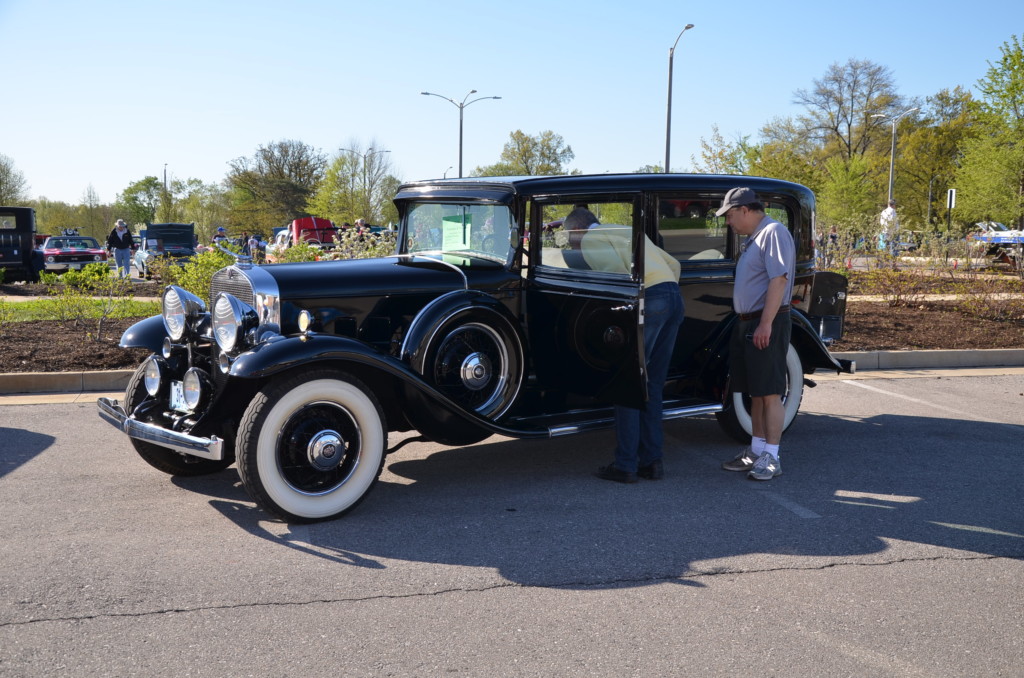
Swap Meet and Car Show
We are excited to announce our Swap Meet and Car Show! September, 2024 . The Horseless Carriage Club Of MO.reserves the right to combine, change, or divide classes depending on the number of registrations per class. Decisions are final.

St. Louis Auto Show
Automobiles are intended to provide personal transportation but as time progresses, some cars develop a special aura that makes them Super Keepers: Variety. Five Prime examples are slated for exhibit at the 2024 St. Louis Auto Show, January 19 thru 21, 2024, at America’s Center and The Dome, 701 Convention Plaza.
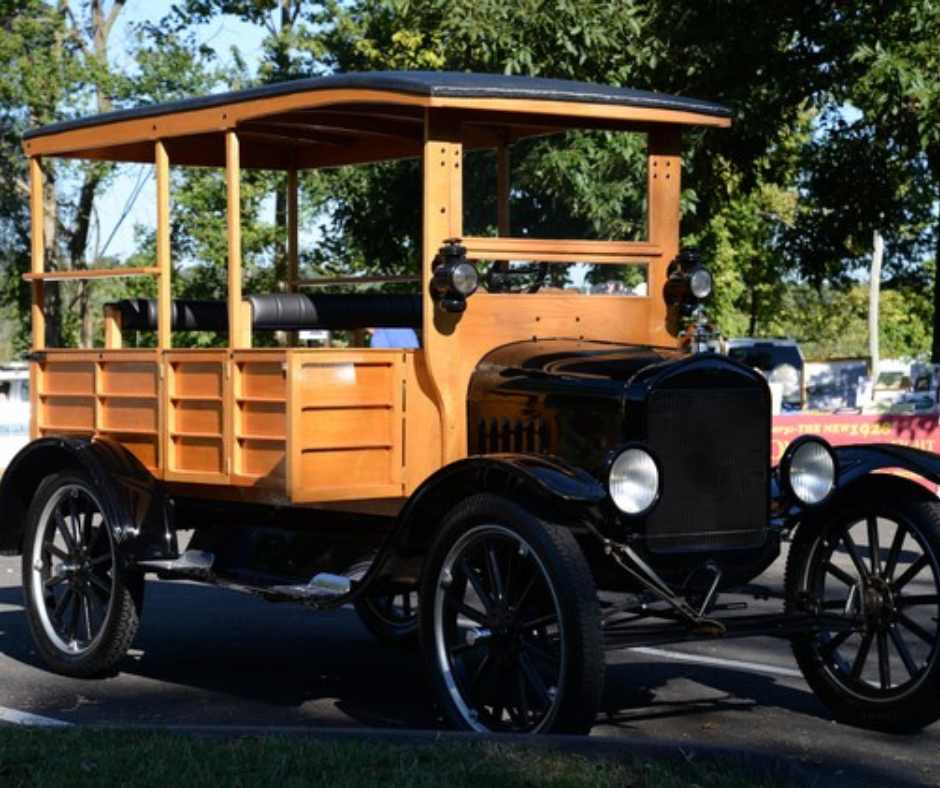
Pre-War Car Show
Join us for a leisurely Sunday in October at the Museum of Transportation as we proudly present the Pre-War Car Show. This year, the event expands its allure by showcasing not only the classic Brass and Nickel cars but also an exciting array of Pre-War Classics. With a limitation of 80 cars due to space constraints at the upper parking lot of MOT, the show ensures an intimate and curated display, guaranteeing a diverse yet exclusive collection for everyone to relish.
There are lots of ways to contact us: by phone, email, or visiting a meeting!
We meet the Third Friday of each month usually at St. Louis Automobile Dealer Association Building 13616 Manchester Road next to “White Castle” (we will be meeting here for the foreseeable future). The meeting usually starts at 7:00 pm, check the current monthly post card or quarterly Brass Lamp for any updated start times. A short Business Meeting is followed by Refreshments and then a Program